Jordankwinn - Your Source for Jordankwinn Content

Personal essays, notes, and ideas worth sharing.

Archives (page 16 of 21)

The Art of Failing Forward: My Current Education in Incompetence

I watched my sourdough starter bubble with what I can only describe as malicious intent last Tuesday. Three weeks of careful feeding, temperature monitoring, and whispered encouragements, and it still smells like acetone mixed with disappointment. My kitchen counter looks like a science experiment gone wrong, and I’m starting to suspect the starter knows exactly what it’s doing.

This got me thinking about all the things I’m currently learning badly. Not the things I’ve given up on or the skills I’m naturally terrible at, but the ones I’m actively pursuing with enthusiasm and achieving mediocre results. There’s something weirdly liberating about being consciously incompetent at stuff you care about.

Guitar, Or How to Make Neighbors Question Their Life Choices

I bought an acoustic guitar six months ago after watching too many campfire scenes in movies. The romantic vision involved me strumming thoughtfully while friends gathered around, maybe someone harmonizing. The reality involves my upstairs neighbor texting “everything okay?” at 9 PM because my attempt at a G chord sounds like furniture being dragged across hardwood.

My fingers refuse to cooperate with basic chord progressions. The calluses are forming in all the wrong places. I can play exactly one song all the way through: “Wonderwall,” which feels like admitting defeat before I’ve even started. But here’s what I didn’t expect: the muscle memory is slowly building. My left hand is developing this weird independence, like it’s learning a secret language my brain hasn’t been invited to understand yet.

For anyone considering picking up guitar as an adult, get a decent instrument. Don’t torture yourself with a $50 acoustic that fights back. Spring for something that stays in tune and doesn’t require superhuman finger strength to press the strings down. Your neighbors will thank you, and you might actually stick with it long enough to graduate beyond “Wonderwall.”

Pottery: Centering Clay and Expectations

The pottery studio downtown offers drop-in sessions on Thursday nights. I’ve been going for two months, and my bowl collection looks like abstract art created by someone having a seizure. The instructor, Maria, has stopped offering helpful suggestions and now just nods encouragingly when I produce something that vaguely resembles functional pottery.

Last week I finally understood what “centering” means. Not the zen metaphor part, but the actual physical process of getting clay to stop wobbling on the wheel. It’s all in the way you brace your arms against your body, creating this stable foundation while your hands do delicate work. The clay responds to confidence and consistency, two things I’m still working on in most areas of life.

The best part about pottery isn’t making beautiful things. It’s the complete mental focus required. You can’t think about work deadlines or grocery lists when you’re trying to pull up walls without creating a lopsided disaster. Your brain gets this rare chance to shut up and let your hands figure things out. If you’re looking for a hobby that forces mindfulness without the meditation app guilt, pottery might be your answer.

Photography: Chasing Light Like an Amateur Stalker

I upgraded from phone photos to an actual camera last spring, convinced that better equipment would automatically improve my eye. Turns out expensive gear just makes your mistakes more obvious and expensive. I’ve taken roughly 3,000 photos, and maybe twelve of them don’t look like they were shot during an earthquake.

The revelation came during golden hour last Sunday. I was trying to photograph my friend’s dog at the park, getting increasingly frustrated with blurry shots and poor composition. Then the dog stopped mid-run, ears perked, perfectly framed by backlighting that made his fur glow. I clicked without thinking, and somehow captured this moment of pure alertness and joy. Pure luck, but it taught me something about being ready instead of trying to force moments to happen.

Learning photography is like learning to see differently. You start noticing how light hits surfaces throughout the day, how shadows create shapes, how the angle of your body changes what stories you’re telling. It’s worth the frustration of endless mediocre shots for those rare moments when everything aligns.

The Sourdough Situation: A Microbial Relationship Status

Back to that starter, which I’ve named Vincent after Van Gogh because it’s equally temperamental and unpredictable. Internet forums promised that keeping sourdough alive would be simple: flour, water, time. They failed to mention that it’s basically adopting a pet that requires daily attention and has mysterious mood swings.

Vincent has taught me that baking is chemistry pretending to be art. Temperature matters. Humidity matters. The type of flour matters in ways I’m still discovering. My first loaves resembled hockey pucks with the density of small planets. But last weekend’s attempt had actual holes in the crumb structure, which apparently is cause for celebration in the sourdough world.

The meditative aspect of kneading and waiting appeals to people who need an excuse to slow down. If you’re someone who enjoys routines and doesn’t mind the occasional dramatic failure, sourdough might become your obsession too. Just warn your neighbors about the smell during the learning phase.

Finding Joy in the Learning Curve

These half-learned skills share something beyond my obvious lack of natural talent. They demand presence in ways that feel increasingly rare. No multitasking while centering clay. No phone checking while tuning guitars. No rushing through the long fermentation process that turns flour and water into actual bread.

Maybe being bad at things you care about is underrated. There’s no pressure to perform or achieve quick results. Just the satisfaction of small improvements and the occasional unexpected success. Plus, lowered expectations mean every minor breakthrough feels like winning the lottery.

What are you learning badly these days? I’d love to hear about your current projects and spectacular failures. There’s something encouraging about knowing other people are out there struggling with their own versions of Vincent the sourdough starter.
The Grocery Store Philosophy That Changed How I Think About Work

The Cashier Who Saw Everything

I was buying cereal and milk at the grocery store when the cashier, maybe nineteen with purple streaks in her hair, looked at my cart and said, “You know what I’ve noticed? People buying the exact same things week after week never look happy.” She scanned my Cheerios. “But the ones trying something new, even if it’s just a different kind of pasta, they seem lighter somehow.”

This was three years ago. I still think about it every time I’m stuck in a routine that feels more like sleepwalking than living. That throwaway observation from someone I’ll never see again has influenced more of my decisions than most advice I’ve actively sought.

The Client Call That Wasn’t About Work

During a project meeting last spring, my client mentioned her daughter was struggling with math anxiety. Not the kind where you freeze during tests, but the deeper kind where numbers themselves felt like enemies. “We found this teacher who doesn’t use worksheets,” she said, almost as an afterthought. “Instead, she has kids measure ingredients for cookies, count trading cards, figure out how many songs fit on a playlist. My daughter loves math now because she doesn’t realize she’s doing math.”

I’ve been thinking about this approach ever since. How many things that feel impossible are really just presented in the wrong package? I started applying this to my own creative blocks. Instead of forcing myself to write blog posts, I write long emails to friends. Instead of formal brainstorming sessions, I take walks and voice-memo my thoughts. The work gets done, but it doesn’t feel like work.

The Stranger on the Train Platform

Waiting for the delayed 8:17 to downtown, I overheard two strangers start talking. One was complaining about his job, the usual litany of bad bosses and boring projects. The other guy listened, then said something I wrote down in my phone: “Sounds like you’re solving the wrong problems. Maybe the question isn’t how to make your job better, but how to make your skills work somewhere else.”

The first guy got defensive, started explaining why leaving wasn’t practical. But the second stranger wasn’t backing down. “I’m not saying quit tomorrow. I’m saying stop trying to fix a situation that’s fundamentally broken. Start building toward something that isn’t.” The train arrived before I heard how it ended, but that distinction between fixing and building has stuck with me through every frustrating situation since.

The Bookstore Revelation

In the mystery section at Powell’s, an older woman was helping her teenage grandson pick books. He kept gravitating toward the thickest novels on the shelf, explaining he wanted to get his money’s worth. She pulled out a slim paperback and said, “Honey, the best meals aren’t the biggest ones. They’re the ones that taste so good you remember them years later.”

She was talking about books, but I heard it as life advice. I’d been approaching everything with that same bigger-is-better mindset. More features in my projects. Longer workout routines I’d inevitably abandon. Social plans packed so tight there was no room to actually enjoy them. That grandmother’s wisdom about memorable versus massive has helped me say no to the impressive stuff that doesn’t actually serve me.

Why These Moments Matter

None of these people knew they were teaching me anything. They weren’t trying to be profound or memorable. That’s exactly what made their words hit so hard. There’s something about wisdom delivered without intention that bypasses all our usual defenses against advice.

I’ve started paying more attention to these casual conversations, the ones happening in checkout lines and coffee shops and train stations. Not in a creepy way, just with the recognition that insight shows up in the most ordinary places. Sometimes the person waiting behind you at the post office has exactly the perspective you need, if you’re listening for it.

What conversations have lodged themselves in your memory? The ones that resurface when you’re making decisions or questioning assumptions? I’m curious about the throwaway comments that somehow became your unofficial life philosophy.

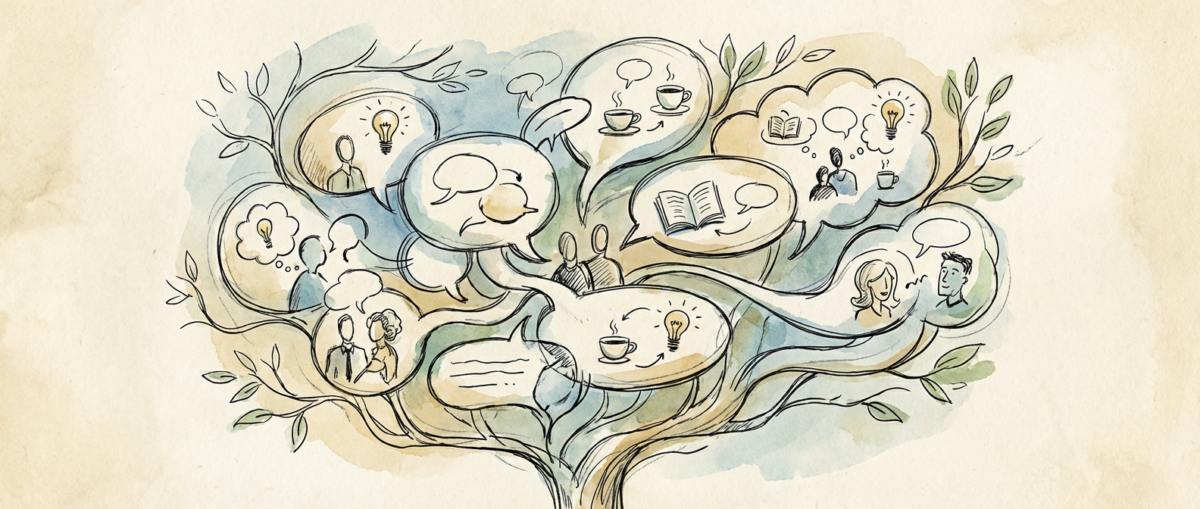
The Conversations I Can’t Shake (And Why They Matter More Than the Good Ones)

The Barista Who Called Me Out

Three years ago, a barista at my usual coffee shop told me I ordered “like someone who’s afraid of being disappointed.” I’d just rattled off my typical order with about seven modifications and backup plans. Extra hot, but not too hot. Oat milk, but almond if you’re out. Small, actually make it medium.

The Conversations I Can't Shake (And Why They Matter More Than the Good Ones)
The Conversations I Can’t Shake (And Why They Matter More Than the Good Ones)

She wasn’t being mean. She said it the way you’d mention that someone had spinach in their teeth. Matter-of-fact. Helpful, even. But it stung because she was absolutely right.

I’ve been thinking about that conversation ever since, and here’s what I’ve figured out: the exchanges that stick with us aren’t the warm fuzzy ones where everyone feels good afterward. They’re the ones where someone holds up an unexpected mirror. The ones where we get caught being exactly who we are when we thought we were being someone else.

Illustration for The Conversations I Can't Shake (And Why They Matter More Than the Good Ones)
Illustration for The Conversations I Can’t Shake (And Why They Matter More Than the Good Ones)

Why We Remember the Uncomfortable Truths

Most people would say the conversations that matter most are the deep heart-to-hearts with close friends, the encouraging words from mentors, the sweet declarations from loved ones. But those conversations, while lovely, tend to confirm what we already know about ourselves. They’re comfortable. They fit into our existing story.

The conversations that change us are the awkward ones. The five-minute exchange with a stranger who sees something we’ve been hiding from ourselves. The coworker who points out a blind spot we didn’t know we had. The friend who finally says what everyone else has been thinking.

These moments stick because they create cognitive chaos. Our brain can’t file them away in the usual folders marked “pleasant interaction” or “rude encounter.” They require processing. They demand we reconsider things we thought we’d figured out.

I still modify my coffee orders, by the way. But now I notice when I’m doing it. Sometimes I catch myself ordering exactly what I want on the first try. Progress, I guess.

The Teenager Who Schooled Me on Authenticity

Last summer, I was at a family barbecue making small talk with my cousin’s sixteen-year-old daughter. She was telling me about some drama at school, and I offered up what I thought was sage adult wisdom about “being yourself” and “not worrying what others think.”

She looked at me with the particular brand of incredulity that only teenagers can muster and said, “But you literally just spent ten minutes talking to my mom about how you bought a different brand of crackers because you were embarrassed about what the cashier would think of your usual choice.”

Ouch. True. Completely fair.

Here I was, dispensing advice about authenticity while actively demonstrating the opposite. The kid saw right through the performance to the anxious person underneath who cares way too much about grocery store transactions with strangers I’ll never see again.

That conversation taught me that wisdom isn’t about having figured everything out. It’s about being honest about the ways you haven’t. Sometimes the best teachers are the ones who haven’t learned to soften their observations yet.

The Colleague Who Named My Habit

During a team meeting six months ago, a colleague interrupted me mid-sentence to say, “You always do this thing where you present your ideas like you’re apologizing for having them.” She wasn’t wrong, but hearing it out loud in front of eight other people was mortifying.

I’d been prefacing every suggestion with phrases like “this might be stupid, but” or “I’m probably overthinking this.” I thought I was being humble, collaborative, open to feedback. She heard someone who didn’t believe their own ideas were worth the airtime.

The room got quiet in that particular way that happens when someone says something true that no one wanted to address. Later, three different people told me they’d noticed the same pattern but hadn’t known how to bring it up.

Here’s the thing about conversations that make you squirm: they often reveal truths that multiple people have noticed but only one person was brave enough to voice. The discomfort isn’t just about hearing something you don’t want to hear. It’s about realizing how visible your blind spots actually are.

I still catch myself hedging sometimes, but now I notice the impulse. When I do speak up without the apologetic preface, my ideas tend to land differently. Funny how that works.

Why We Need These Moments

The conversations that stick aren’t always pleasant, but they’re necessary. They’re the moments when our carefully constructed self-image bumps up against external reality and we have to choose: double down on the image or adjust it to fit the data.

Most of us spend a lot of energy managing how we’re perceived. We curate our words, our reactions, our public selves. But sometimes someone cuts through all that curation and responds to who we actually are in that moment. It’s jarring because it’s real.

These exchanges matter because they offer us a choice. We can dismiss them, get defensive, write them off as the other person’s problem. Or we can sit with the discomfort and ask ourselves what truth might be hiding in there.

The barista, the teenager, and the colleague all gave me information I didn’t particularly want but desperately needed. They showed me where my actions weren’t matching my intentions. They pointed out the gaps between who I think I am and how I’m actually showing up.

What conversations are you still thinking about months or years later? The ones that made you squirm a little, that felt too close to home? Those might be the most valuable exchanges you’ve had, even if they didn’t feel like gifts at the time.

The Tuesday Morning Ritual That Changed Everything (And Three Others I Actually Stick To)

The Discovery of Doing Nothing

I used to think meditation was bullshit. Not the concept exactly, but the way people talked about it. All that breathless enthusiasm about finding inner peace while sitting cross-legged on a $200 cushion. Then last March, my therapist suggested I try five minutes of breathing exercises. Not meditation, she was careful to clarify, knowing my allergies.

Now I sit on my bathroom floor every Tuesday morning for exactly twelve minutes. Not ten, not fifteen. Twelve feels right in a way I can’t explain. I focus on the sound of the old radiator clicking and the neighbor’s dog barking three houses down. Sometimes thoughts drift in about work deadlines or whether I remembered to pay the electric bill. I let them sit there like uninvited guests who might eventually leave on their own.

What changed wasn’t some mystical awakening. It was realizing that my brain could actually slow down if I gave it permission. The ritual itself matters more than the outcome. Tuesday mornings feel different now, like I’ve created a small pocket of time that belongs only to me.

Coffee as Architecture

Every morning, I make coffee the same way my grandmother did. Not because it’s better than pressing a button on some fancy machine, but because the process builds something in those first few minutes when the day feels too big and shapeless. Water in the kettle. Grounds in the French press. Four minutes of waiting while steam fogs the kitchen window.

My grandmother lived through the Depression and never wasted anything, including time. She taught me that rituals aren’t about perfection but about creating small structures when everything else feels chaotic. The coffee tastes like coffee. What matters is the rhythm of making it, the way my hands know what to do before my brain fully engages with the day ahead.

I’ve tried switching to other methods when friends rave about their pour-over setups or expensive espresso machines. But I always come back to the French press. Some rituals resist optimization.

Walking Without Destination

Three evenings a week, I walk around my neighborhood for exactly thirty-seven minutes. The specificity started as a joke after my fitness app kept pestering me about inconsistent workout durations. Now it’s become oddly sacred. Thirty-seven minutes is long enough to notice things but short enough that my brain doesn’t start planning the rest of my evening.

Last week I watched a man in his seventies teach his grandson to ride a bicycle in the elementary school parking lot. The week before, I discovered that someone had been leaving painted rocks with tiny messages along the walking path behind the library. These aren’t earth-shattering observations, but they anchor me to the physical world in a way that scrolling through my phone never does.

I used to think walking without headphones or podcasts was wasted time. Now I realize I was wasting the walking. There’s something radical about moving through space without consuming content, about letting your mind follow whatever thread it wants to pull.

The Sunday Reset That Actually Works

Sunday evenings used to fill me with dread. That familiar weight of Monday morning pressing down, all the things I hadn’t accomplished during the weekend stacking up like unpaid bills. So I started doing something my college roommate would have mocked mercilessly: I make lists on paper with an actual pen.

Not productivity lists or goal-setting exercises. Just three categories: things I’m grateful for from the week, things I want to pay attention to in the coming week, and one thing I want to let go of. The gratitude part felt forced at first, like performing happiness for an invisible audience. But after a few months, I started noticing smaller things worth appreciating. The way afternoon light hits the kitchen counter. Getting a green light when I’m running late.

The letting-go section is where the real work happens. Last week I wrote down “caring what my neighbor thinks about my garden.” The week before it was “checking email after 8 PM.” Writing it down doesn’t magically solve anything, but it makes the intention visible. Sometimes that’s enough.

What Changed

I used to think rituals were for people who needed more structure than I did. Religious people, type-A personalities, anyone who made their bed every morning with military precision. But these small practices aren’t about control or self-improvement. They’re about creating reliable moments of presence in a world that constantly demands your attention be elsewhere.

The weird thing is how little these rituals actually take. Twelve minutes on Tuesday mornings. Five minutes to make coffee mindfully instead of frantically. Thirty-seven minutes of walking without agenda. Ten minutes on Sunday evening with pen and paper. Less than an hour total across the entire week, but somehow they’ve reorganized how I move through time.

Maybe you have rituals that ground you, or maybe the whole concept sounds like unnecessary complication. Either way, I’m curious what small practices help you feel more present in your own life.

The Apps I Actually Keep Using (And Why You Might Too)

The One That Remembers Everything So I Don’t Have To

I’ve been using Obsidian for two years now, and it’s the first note-taking app that hasn’t made me feel like I’m fighting with technology. You know how most apps either try to think for you or make you think like them? Obsidian just gets out of the way.

The Apps I Actually Keep Using (And Why You Might Too)

Here’s what actually matters: it creates links between your notes automatically. Type someone’s name in double brackets anywhere, and suddenly every mention connects. I can see how a random thought from last March connects to a book I’m reading now. It’s like having a conversation with your past self, except your past self was actually paying attention.

This is perfect if you’re the type who has seventeen browser tabs open and saves articles you’ll “definitely read later.” Or if you’re working on anything creative where ideas build on each other. Writers, researchers, people planning elaborate revenge plots. The usual crowd.

The learning curve isn’t steep, but it’s there. You’ll spend your first week making it unnecessarily complicated because that’s what we do with new tools. Then you’ll settle into using maybe three features and wondering why you ever thought you needed more.

Illustration for The Apps I Actually Keep Using (And Why You Might Too)

The Weather App That Doesn’t Lie to You

Dark Sky died and took my trust in weather apps with it. Then I found Carrot Weather, which has the audacity to be both accurate and funny. The app is like having a meteorologist with a personality disorder, which honestly makes checking the forecast more entertaining. It’ll tell you exactly when the rain starts and then insult your umbrella choices.

But here’s the real thing: the notifications are scary good. Not just “it might rain today” garbage, but “rain starting in 12 minutes, lasting 23 minutes.” I’ve started checking it before leaving the house instead of just hoping for the best like some kind of meteorological optimist.

The premium version costs money, which feels wrong for a weather app until you realize you’re paying for data that’s actually useful. It pulls from multiple sources and somehow makes sense of them. Perfect if you bike to work, walk a dog, or have any outdoor hobbies that weather can ruin. Which is most of them, really.

The Password Manager That Finally Made Me Secure

1Password turned me from someone who used “password123” for everything into someone who doesn’t even know their own passwords. This sounds bad until you realize it’s actually the point. If I don’t know my passwords, neither does anyone else.

Every account gets a completely random password that looks like my cat walked across the keyboard. The app fills everything automatically, syncs across devices, and even yells at me when websites get hacked. It’s like having a very paranoid assistant who’s surprisingly good at their job.

The family plan is worth it if you’re tired of your relatives asking you to “just help them log into something real quick.” Now they have their own vault and you can stop being tech support for your aunt’s seventeen shopping accounts. My sanity improved immediately.

Setup takes maybe an hour if you do it right. Import your old passwords, let it generate new ones, and gradually update accounts when you think of it. Six months later you’ll wonder how you ever managed without it. The peace of mind alone makes the subscription cost worth it.

The App That Makes Transit Actually Bearable

Citymapper knows things about public transportation that the actual transit authorities don’t seem to know. It’ll tell you which car to board so you’re closest to the exit at your destination. It knows when buses are running late before the buses do.

The live disruption updates are uncannily accurate. I’ve had it reroute me around subway delays before the official announcements even happened. Sometimes I wonder if they have people stationed at every station just watching for problems. It’s like the app has a crystal ball for urban transit chaos.

This one’s obviously useless if you live somewhere without decent public transit. But if you’re in a major city and still using whatever basic map app came with your phone, you’re making your commute harder than it needs to be. I learned this the hard way after being late to too many meetings.

The interface shows you multiple route options with actual time estimates, not the fantasy times that other apps provide. It even accounts for walking speed and how much you hate stairs. Finally, an app that understands my relationship with physical effort.

The Habit Tracker That Doesn’t Judge

Streaks is stupidly simple, which is exactly why it works. You add the habits you want to track, tap when you do them, and try to keep the numbers going up. No badges, no social features, no gamification nonsense that makes you feel like you’re training a digital pet.

I use it for boring stuff like taking vitamins and slightly less boring stuff like practicing guitar. The app doesn’t care what you track or why. It just counts and remembers so you don’t have to. No judgment when you forget for three days straight.

The genius is in what it doesn’t do. No notifications nagging you about missed days. No charts showing how disappointing you are compared to other users. Just clean numbers that reflect reality without editorial comment. It’s refreshingly honest about how habit formation actually works.

Perfect for people who want to build habits without turning their life into a video game. Also good for anyone who’s tried other habit apps and felt overwhelmed by features they’ll never use. Sometimes simple really is better.

These aren’t revolutionary apps that’ll change your life overnight. They’re just tools that do their jobs well without getting in the way. The kind of technology that makes daily life slightly better instead of slightly more complicated. Try one, or don’t. But if you do try them and find they work for you, I’d love to hear what other practical apps you can’t live without.