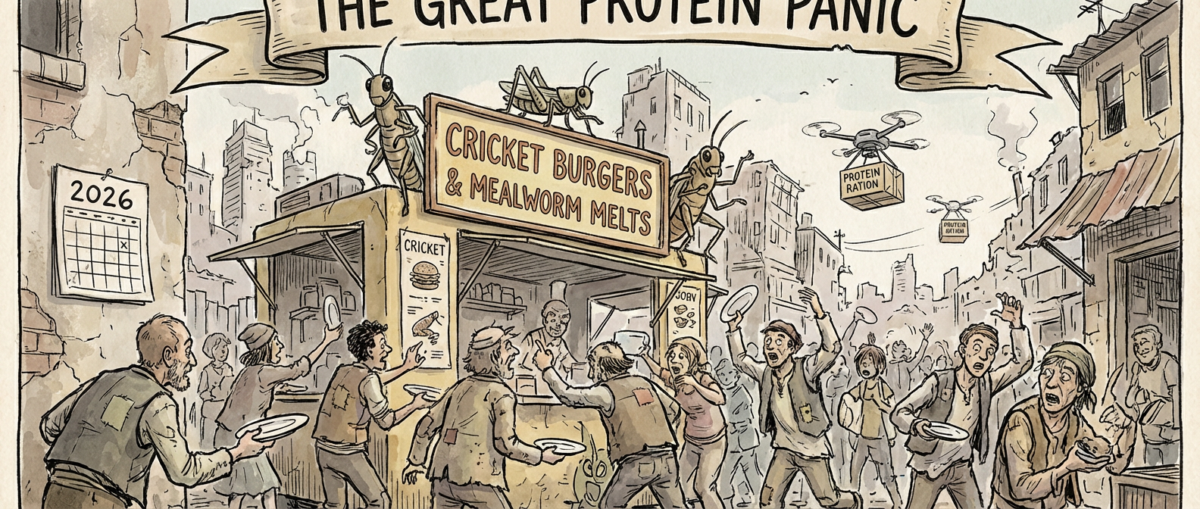
When Cricket Flour Became the New Quinoa
Remember when quinoa was the exotic grain that made you feel like a wellness guru? Well, 2026 was the year cricket flour claimed that crown. I’m still processing how we collectively decided that grinding up insects was the answer to our dinner prayers, but here we are.
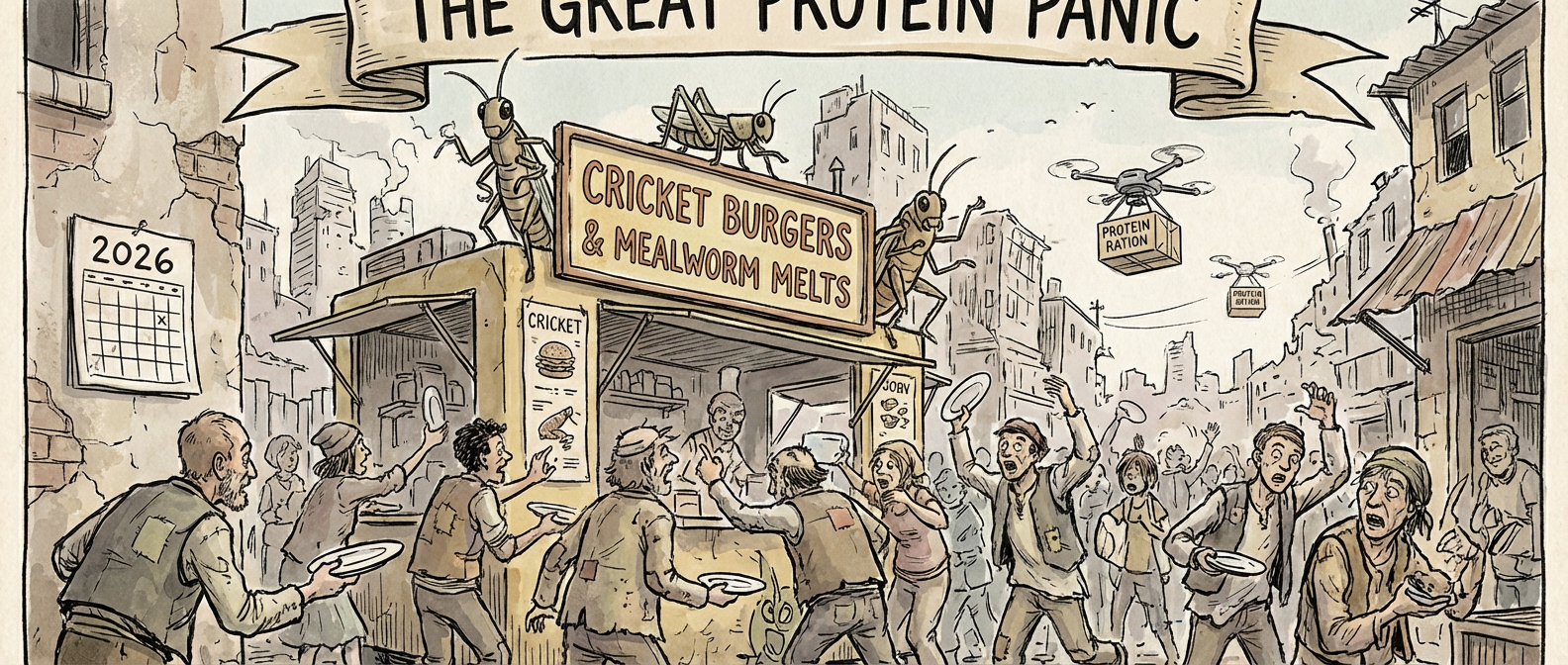
The tipping point came in March when Whole Foods cricket protein launch happened. Fifty thousand bags of Tiny Farms cricket flour sold in seven days. That’s not a typo. Seven days. I watched my neighbor Karen—the same Karen who spent three years asking if the store-bought hummus was “really” organic—post Instagram stories about her cricket protein smoothie bowl.
The math started making sense when cricket protein became cheaper than beef. Not just a little cheaper. Way cheaper. Those automated facilities that opened in Texas and Ohio last year drove prices down by seventy-eight percent. Suddenly your grocery budget could stretch further with bugs than burgers.
The David Chang Effect
Nothing signals a food trend like a celebrity chef betting big on it. David Chang’s Swarm restaurants didn’t just serve cricket dishes—they made them cool. Six months of sold-out reservations will do that.
I tried to get a table in August. The waitlist was longer than Hamilton tickets in 2016. Chang had somehow made eating insects feel like joining an exclusive club rather than surviving a reality TV challenge. The crispy cricket tacos became the dish everyone needed to try, photograph, and debate on social media.
By December, Chang announced plans for one hundred locations. One hundred. That’s not testing the waters anymore—that’s jumping in headfirst and bringing floaties for everyone else.
Following the Money Trail
February brought the FDA approval that changed everything. Lab-grown cricket meat got the official green light, and venture capital firms started throwing money around like confetti at a startup wedding. Funding for insect protein companies jumped four hundred percent almost overnight.
The UN insect farming sustainability report from last year probably helped convince the investors. Ninety-seven percent fewer greenhouse gases than traditional livestock for the same amount of protein. Those numbers matter when climate anxiety meets profit potential.
Every week seemed to bring news of another insect protein startup getting millions in funding. Companies with names like “Chirp Foods” and “Buzz Nutrition” became household names faster than most people could pronounce “entomophagy.”
The Quiet Revolution in Your Pantry
What struck me wasn’t the dramatic announcements or celebrity endorsements. It was watching cricket protein sneak into everyday products without much fanfare. Energy bars, pasta, protein powder—suddenly insects were everywhere, hiding in plain sight.
My teenage nephew didn’t even notice his favorite post-workout shake now contained cricket protein until I pointed it out. His response? A shrug and “It tastes the same.” Maybe that’s the real story here. Not the conscious choice to eat bugs, but the unconscious acceptance of them as just another ingredient.
The environmental angle became impossible to ignore. When your protein choice could reduce your carbon footprint by ninety-seven percent, the decision felt less weird and more obvious. Climate change stopped being an abstract concept when it landed on your dinner plate.
Looking Back at the Turning Point
Twenty twenty-six was the year we stopped asking “Would you eat bugs?” and started asking “Which cricket protein tastes best?” The shift happened so gradually, then suddenly, like most cultural changes do.
The economics made it inevitable. The environmental data made it responsible. The celebrity endorsements made it trendy. But underneath all that was something simpler—we got used to it. Humans are remarkably adaptable when the alternative is worse for our wallets and our planet.
I’m curious what food trend will seem obvious in hindsight by this time next year. What are you noticing in your own grocery cart that might be the next big shift? Sometimes the most interesting changes are the ones we don’t see coming until they’re already here.
