
The Conversation I Wasn’t Expecting
I walked into my annual physical last month expecting the usual routine. Blood pressure check, the awkward cough while someone pokes your abdomen, maybe a gentle lecture about getting more sleep. What I didn’t expect was my doctor leaning back in her chair and asking if I’d considered a GLP-1 medication. Not because I’m overweight or diabetic. Not because anything was alarming in my labs. Just because, she explained, weight management medicine has actually changed a lot in the last few years, and she wanted me to understand my options.

I nearly laughed. I’ve spent the last year watching celebrities mysteriously slim down on Instagram, listening to my mom’s friends talk about Ozempic like it’s a luxury vacation everyone’s suddenly taking, and reading enough think pieces about whether these drugs are miracles or hype to fill a small library. I had opinions. None of them were particularly informed.
That conversation stuck with me though, not because she was pushing anything, but because she was so matter-of-fact about the whole thing. Like she was just telling me about a tool that exists now. So I asked her to explain it to me like I actually understood what any of this meant.
Why Everyone’s Suddenly Talking About This
The numbers tell part of the story. Prescriptions for these medications have exploded. We’re talking a 400-plus percent jump between 2022 and 2025. That’s not the kind of growth that happens because a few celebrities mention something. That’s a shift in how medicine actually treats weight.
The American Medical Association updated its obesity treatment guidelines in 2025, and for the first time, GLP-1 medications are listed as a first-line treatment option alongside lifestyle modification. That’s significant language. First-line means these aren’t being positioned as a last resort. They’re part of the conversation from the beginning, the same way your doctor might talk to you about exercise or nutrition.
There’s actual research backing this too. A major trial published in the New England Journal of Medicine showed that tirzepatide, marketed as Zepbound, resulted in an average weight loss of 22.5 percent of body weight over 72 weeks. For context, that’s not incremental. That’s transformative for most people.
My doctor mentioned the business side of it too, which I appreciated. These drugs are genuine blockbusters. Global sales for Ozempic and Wegovy alone topped 25 billion dollars in 2025. That’s the kind of money that gets pharmaceutical companies to keep investing, which means better access and more research over time. It also means aggressive marketing, which is why your cousin’s coworker knows three people taking it.
The Specifics of Who This Actually Works For
Here’s what my doctor didn’t do. She didn’t hand me a prescription slip and tell me I needed it. She didn’t make me feel like I’d failed at some personal responsibility test. She did something more useful: she explained who these medications actually help and why.
According to a KFF GLP-1 medication tracking poll, about one in eight American adults has taken one of these medications at some point. That’s a meaningful number, but it’s not everyone. My doctor was specific about this. These work best for people who struggle with how their body regulates hunger signals. Not people who just need to eat less. Not people whose weight is situational. People whose brains and bodies are wired in a way that makes appetite feel broken.
She talked about the mechanism too, in a way that actually made sense. These drugs trigger the same receptors that your gut activates after you eat. They make your brain think you’re fuller than you actually are. They slow down digestion. Some people feel less food noise in their heads. Some people describe it like the constant chatter about food just quiets down.
For people with that specific experience, she said, these medications can be genuinely life-changing. Not because they’re magic. Because they address an actual biological problem instead of just relying on willpower.
What Nobody Talks About Enough: The Cost and The Commitment
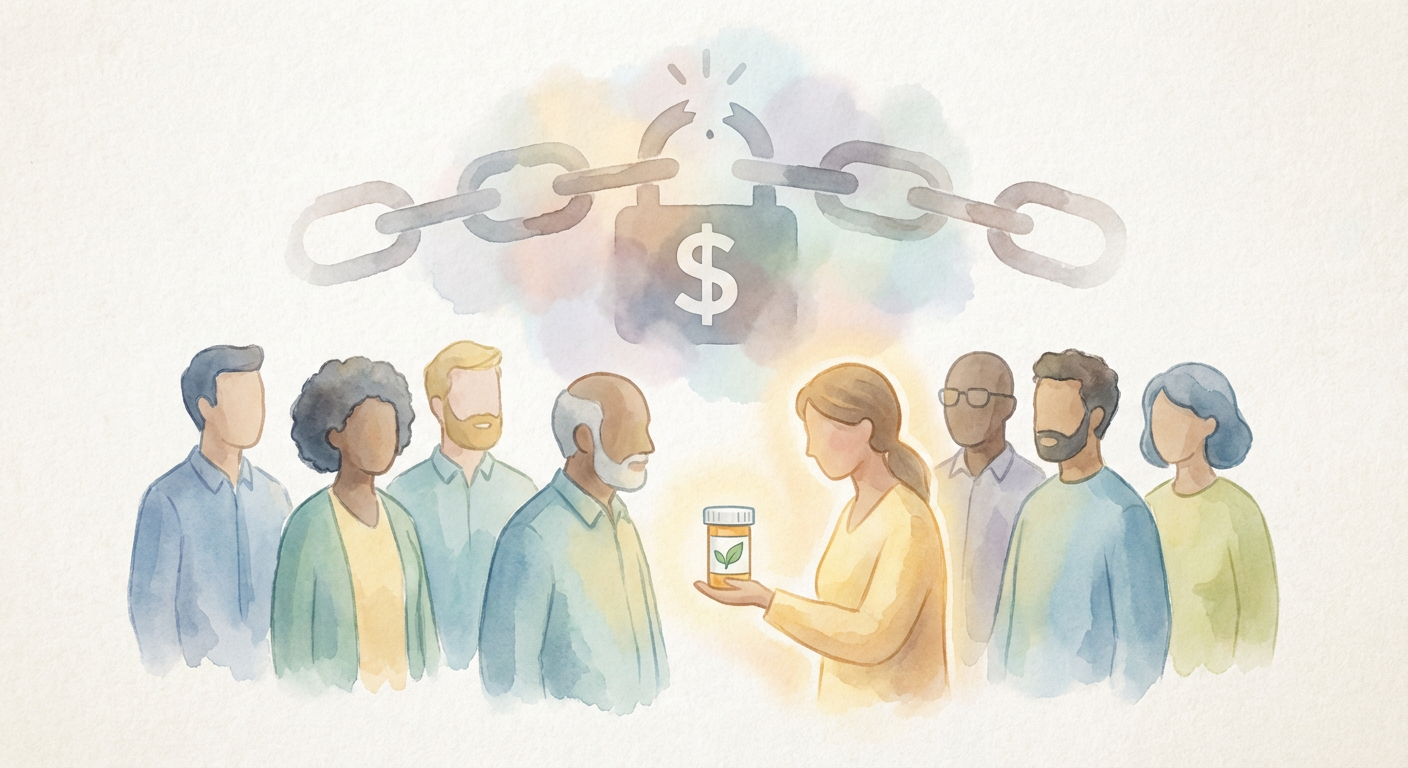
Of course my doctor addressed the elephant in the room. These medications are expensive. And according to the same tracking data, affordability is the primary barrier stopping 43 percent of people from continuing to use them. That’s not a small problem. That’s the actual reality for most people considering this.
She was honest about the commitment side too. These aren’t temporary medications you take and then stop. They’re something you stay on if you want the results to stick. Your body goes back to baseline when you stop. That means ongoing cost, ongoing prescriptions, ongoing doctor visits. Some people handle that fine. Some people realize mid-way through that it’s not sustainable for their life.
There’s also the side effect conversation. My doctor didn’t minimize it, but she didn’t catastrophize either. Some people experience nausea, constipation, or other gastrointestinal effects. Some people barely notice anything. Some people develop pancreatitis or other serious complications, though those cases are rare. It’s like any medication: there’s a risk calculus that’s different for everyone.
So Should You Ask Your Doctor About This?
Here’s what landed for me after that appointment. These medications aren’t a personal failure in pill form. They’re not a shortcut for lazy people. They’re a tool that works for specific people dealing with specific biological realities. That tool didn’t exist five years ago. Now it does.
My doctor brought it up not because she thinks I need to lose weight, but because she knows I have a complicated relationship with food and she wanted me to understand that managing that has gotten easier for some people. I’m still thinking about whether it’s right for me. The cost is real. The commitment is real.
But the conversation itself changed how I think about this. If you’ve ever wondered whether this might actually apply to you, talk to your doctor. Not the internet. Not your neighbor. Someone who knows your actual health history and can work through the specifics with you. That’s the one thing I’m actually taking away from all of this.
