Personal essays, notes, and ideas worth sharing.

Author: Lonnie Fields (page 23 of 26)

Five Books That Rewired My Brain (And Why You Should Let Them Rewire Yours)

I used to think book recommendations were like giving someone your favorite sweater. What fits me perfectly might hang weird on you, and then we’re both disappointed. But some books don’t just fit—they alter the shape of how you see things. These five didn’t just entertain me or teach me facts. They changed the operating system.

The One That Made Me Question Everything I Thought I Knew About Thinking

Thinking, Fast and Slow by Daniel Kahneman destroyed my confidence in my own judgment in the best possible way. Before reading it, I thought I was reasonably rational. I made lists. I weighed pros and cons. I considered myself immune to obvious biases.

Kahneman’s book is like having a neuroscientist follow you around pointing out every mental shortcut you take. The availability heuristic explains why I always think plane crashes are more common after seeing news coverage. The confirmation bias reveals why I cherry-pick evidence that supports what I already believe. The anchoring effect shows how the first number I hear influences every estimate that follows.

This book hits hardest if you’ve ever been certain you were right about something, then discovered you were spectacularly wrong. So basically, everyone. Fair warning: you’ll start second-guessing yourself more, but you’ll also make better decisions. It’s an uncomfortable trade worth making.

The One That Changed How I See Other People’s Stories

Chimamanda Ngozi Adichie’s Americanah taught me about the weight of single stories. Not through lecture, but through Ifemelu’s experience of being Nigerian in America, then American-Nigerian back in Nigeria. The book shows how identity shifts depending on where you stand and who’s looking.

There’s a scene where Ifemelu realizes that in America, she’s become “African American” in ways that feel foreign to her actual experience. She starts a blog about race that’s funny and cutting and true. Reading her observations about American racial dynamics from an outsider’s perspective made me see my own country differently.

If you’ve ever felt like you didn’t quite fit the categories people put you in, this book will rearrange your mental furniture. Or if you’ve caught yourself making assumptions about someone’s background based on limited information. Adichie writes with the kind of specificity that makes universal truths feel personal.

The One That Revolutionized My Relationship With Failure

The Structure of Scientific Revolutions by Thomas Kuhn sounds like homework, and honestly, parts of it feel like homework. But buried in Kuhn’s analysis of how scientific knowledge advances is a revelation about how all progress actually works.

Kuhn argues that science doesn’t move forward through steady accumulation of facts. Instead, it lurches through paradigm shifts, moments when the old framework breaks down and gets replaced entirely. Normal science is puzzle-solving within accepted rules. Revolutionary science throws out the rulebook.

This reframed every failure I’d experienced. Maybe the problem wasn’t that I was bad at something. Maybe I was working within the wrong paradigm entirely. It gave me permission to question fundamental assumptions instead of just trying harder within systems that weren’t working. This perspective shift applies to everything from career pivots to relationship problems to creative blocks.

The One That Made Me Understand Power Differently

Robert Caro’s The Power Broker is 1,200 pages about Robert Moses, the man who shaped modern New York through highways, bridges, and parks. It sounds niche, but it’s actually about how power accumulates and operates in ways most people never see.

Moses never held elected office, but he controlled more government resources than most governors. He understood that control over bureaucracy beats electoral popularity. He built his influence through mastering bond financing, legal technicalities, and institutional relationships. He made himself indispensable, then used that position to reshape an entire region according to his vision.

The book changed how I see organizational dynamics everywhere. Power isn’t always where the org chart says it is. The person who controls information flow, or understands the budget process, or maintains key relationships often wields more influence than people with fancier titles. If you’ve ever wondered why certain decisions get made or why change is so hard to implement, Caro’s forensic examination of Moses is a masterclass in how systems really work.

The One That Changed How I Think About Stories Themselves

John McPhee’s Oranges is exactly what it sounds like: a book about oranges. How they grow, how they’re processed, how they’re marketed, how they’ve shaped California agriculture. In most hands, this would be incredibly boring.

But McPhee finds drama in concentration techniques and poetry in supply chains. He shows how paying close attention to any subject reveals layers of complexity and human stories you never expected. There’s tension in the question of whether orange juice should be made from concentrate. There’s character development in his profiles of citrus farmers.

This book taught me that interesting writing isn’t about interesting subjects, it’s about interesting attention. McPhee’s approach works whether he’s writing about oranges, geology, or canoe trips. If you’ve ever thought your work or interests were too mundane to be worth exploring deeply, McPhee will cure you of that notion. He proves that everything is fascinating if you look closely enough and think clearly about what you’re seeing.

These books didn’t just give me information. They gave me new ways of processing information. They’re tools for thinking differently, and tools get better with use. What books have changed the shape of your thinking? I’m always collecting recommendations for the next mental renovation project.

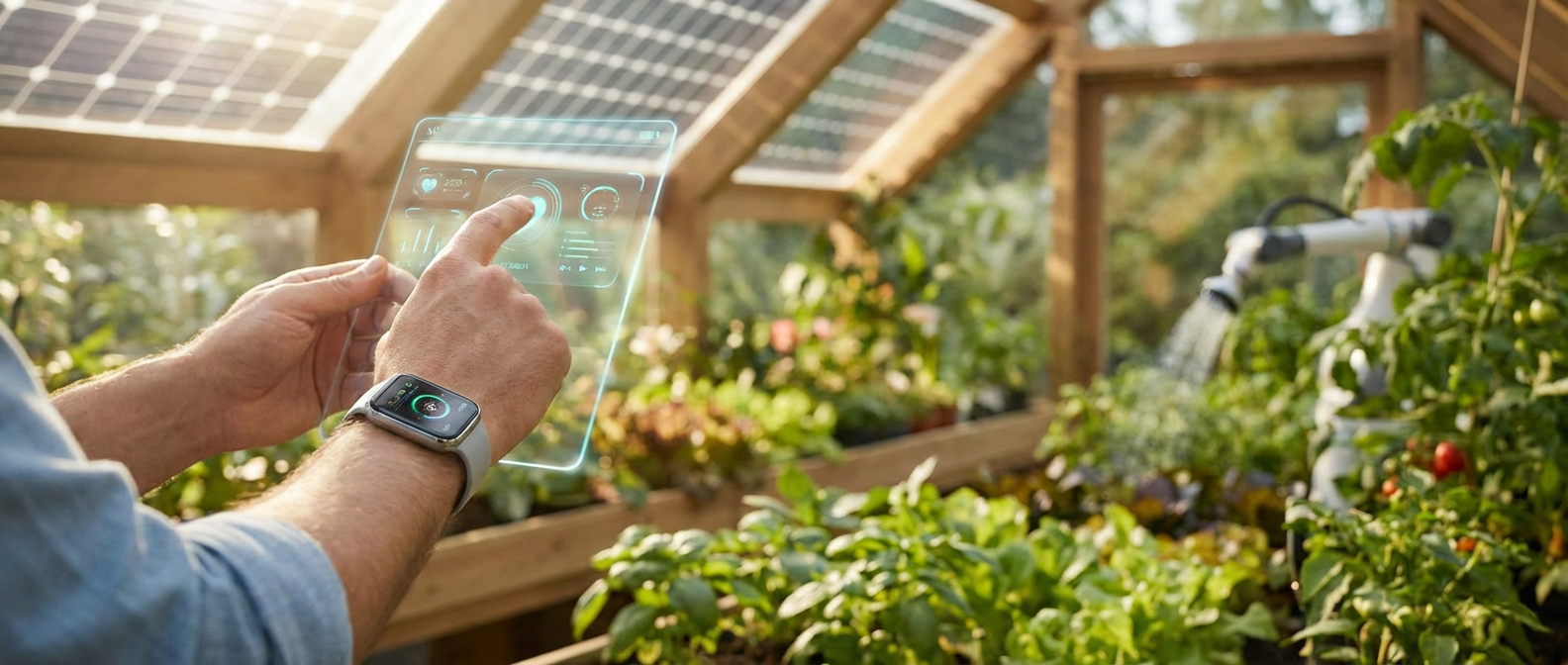
The Tech That Actually Made My Life Better (And Might Make Yours Better Too)

The App That Remembers So I Don’t Have To

You know that thing where you’re standing in the grocery store, staring at the pasta sauce aisle, wondering if you already have marinara at home? I used to take photos of my pantry before shopping trips. Real sophisticated stuff. Then I found Pantry Check, and suddenly I became the person who actually knows what’s in their kitchen.

The Tech That Actually Made My Life Better (And Might Make Yours Better Too)

This isn’t some fancy meal planning app that wants to reorganize your entire life. It’s just a simple inventory system where you scan barcodes as you use things up. Takes maybe three seconds per item. The magic happens when you’re shopping and can actually search “tomato” and see that yes, you have two cans of diced tomatoes but you’re out of paste.

Perfect for anyone who’s ever bought duplicate condiments or stood in Target wondering if you need more dish soap. Also great if you’re the type who stocks up during sales but then forgets what you stockpiled. The app has saved me from both waste and those weird dinner nights where I’m trying to make something happen with random pantry ingredients.

Illustration for The Tech That Actually Made My Life Better (And Might Make Yours Better Too)

The Device That Solved My Sleep Without Being Weird About It

I’ve tried sleep tracking apps that want me to put my phone under my pillow like some kind of millennial dream catcher. Hard pass. The Oura Ring sits on your finger and figures out your sleep patterns without requiring you to change anything about how you actually sleep.

What makes this different from other sleep tech is that it doesn’t lecture you. It just shows you data. Your deep sleep percentage, how much you moved around, when your body temperature shifted. After a few weeks, you start noticing patterns. Like how that second cup of coffee at 3 PM consistently messes with your sleep quality, or how you sleep better on days when you go for walks.

The insights are specific enough to be useful but not so detailed that you need a PhD to understand them. It’s for people who want to sleep better but don’t want to turn their bedroom into a laboratory. The battery lasts about a week, and it’s waterproof, so you can actually forget you’re wearing it. Which is exactly how sleep tracking should work.

The Browser Extension That Guards Your Future Self

StayFocusd is like having a really patient friend who gently reminds you that you said you wanted to be productive today. It limits how much time you can spend on specific websites, but here’s the clever part: you set the restrictions when you’re feeling motivated, and then it enforces them when you’re feeling… less motivated.

You can customize it completely. Maybe you want to allow yourself 20 minutes of social media during work hours, or maybe you need to block news sites after 8 PM because doom-scrolling before bed never helped anyone sleep better. The extension tracks your usage and shows you exactly where your time goes, which is both enlightening and slightly horrifying.

This is perfect for anyone who has good intentions about their internet habits but struggles with follow-through. It’s not about completely eliminating fun websites, just about being intentional with them. The nuclear option lets you set restrictions that are nearly impossible to disable, which sounds extreme but is actually brilliant for those moments when future you needs saving from present you.

The Old-School Solution That Still Works Better Than Everything New

While everyone’s trying to reinvent note-taking with AI and cloud sync and collaborative features, I’ve been using Simplenote for years. It does exactly one thing: syncs plain text notes across all your devices instantly. No formatting options to distract you, no subscription tiers, no features you don’t need.

The search function actually works, which seems like a low bar but you’d be surprised how many apps mess this up. You can tag notes, share them, and even publish them as web pages if you want. But mostly it just stays out of your way and lets you write things down quickly.

This is for people who want their notes to be available everywhere without thinking about it. Writers who need a place to capture random thoughts. Anyone who’s ever lost something important because they wrote it in a fancy app that decided to reorganize their filing system. Sometimes the best technology is the technology that just works and doesn’t try to be clever about it.

I’m always curious about what tools actually make a difference in people’s daily routines versus the ones that just sound good in theory. Have you found any tech that genuinely improved your life without adding complexity? The kind of stuff that just quietly works in the background, making things a little bit easier? I’d love to hear what’s actually worth the download in your experience.

The Things I Quietly Stopped Doing This Year

The Morning Ritual That Wasn’t

I used to wake up at 5:47 AM every weekday to meditate for exactly twelve minutes before my shower. The meditation app had this streak counter that glowed green when you hit your daily target, and I’d become weirdly attached to watching that number climb. There was something satisfying about the ritual, the way it made me feel like I had my life together before most people had even opened their eyes.

The Things I Quietly Stopped Doing This Year

Then one Tuesday in March, I slept through my alarm. Nothing dramatic happened. The world didn’t end. I didn’t have a terrible day or make any catastrophic decisions. If anything, I felt more rested. The revelation was so mundane it was almost embarrassing: I’d been getting up early to meditate because I thought I should, not because it actually helped me.

Now I meditate when I feel like it, usually while my coffee brews or sometimes not at all. The app probably thinks I died. The funny thing is, I’m more present now than when I was forcing presence on a schedule.

Networking Events and the Art of Strategic Small Talk

I attended exactly zero networking events this year after going to roughly fifteen the year before. These gatherings always followed the same script: arrive fashionably late, scan name tags for impressive job titles, exchange business cards like playing cards, and master the art of looking engaged while mentally composing grocery lists.

The breaking point came at a “Women in Tech” mixer where I spent forty minutes talking to someone about their startup that turned out to be selling essential oils through a pyramid scheme. She kept using the phrase “disruptive wellness solutions” with a straight face. I realized I was there because I thought networking was what serious professional people did, like eating kale or having opinions about wine.

The irony is that all my meaningful professional connections this year happened naturally. Coffee with a former colleague led to freelance work. A random conversation at the dog park connected me with someone who became a genuine mentor. Sometimes the best networking strategy is just being a decent human being who pays attention.

The Instagram Stories Performance

I stopped posting Instagram stories somewhere around late August, though I can’t pinpoint the exact moment I decided to quit the daily performance of my existence. For months, I’d been documenting everything: my morning coffee (always positioned next to something aesthetically pleasing), workout updates (sweaty selfies with motivational captions), and those carefully curated “candid” moments that took six tries to get right.

The exhaustion crept up slowly. I’d catch myself arranging my lunch before eating it, angling my book just so for the perfect “cozy reading corner” shot, or worse, having experiences and immediately thinking about how they’d translate to content. When I realized I was experiencing life through the lens of potential documentation, something shifted.

Now my phone stays in my bag more often. My coffee gets cold while I actually drink it instead of photographing it. I read books without announcing my reading habits to the internet. The strange thing is how much more present I feel when I’m not constantly translating moments into shareable content. My life got smaller in the best possible way.

Saying Yes to Everything That Sounded Good on Paper

This was the year I learned the difference between things that sound appealing and things I actually want to do. Book clubs, weekend workshops, volunteer committees, dinner parties where I didn’t know anyone but the host. I used to say yes to all of it because it seemed like the kind of thing an engaged, well-rounded person would do.

The calendar started feeling like a prison sentence I’d designed myself. Every commitment was fine individually, but together they created this low-level anxiety that followed me everywhere. I was busy but not in any meaningful way, like running on a treadmill that someone else had set to maximum speed.

The shift happened gradually. I started asking myself not “Does this sound good?” but “Do I actually want this specific thing at this specific time with these specific people?” The answer was often no, and that became okay. My social calendar looks sparser now, but the events I do attend feel chosen rather than obligatory.

The Pursuit of Optimization

I spent the first half of this year trying to optimize everything: my sleep schedule, my productivity system, my skincare routine, even the route I took to work. I had spreadsheets tracking habits and apps monitoring my water intake and a color-coded calendar that looked like a rainbow had exploded across my week.

The optimization obsession peaked when I found myself timing how long it took to make different breakfast options so I could maximize my morning efficiency. Standing in my kitchen with a stopwatch, measuring scrambled eggs against overnight oats, I had a moment of clarity about how completely absurd this had become.

These days, I do things the way that feels right in the moment. Sometimes I take the longer route home because I like the trees on that street. Sometimes I stay up too late reading a good book. Sometimes I eat cereal for dinner. The pursuit of the perfect system had replaced actually living, and I didn’t even notice until I stopped.

Looking back, none of these changes felt dramatic at the time. They were quiet pivots, small rebellions against the person I thought I was supposed to be. The most surprising thing is how much space opened up when I stopped doing things that never quite fit. What did you quietly stop doing this year?

The People Who Shaped My Mind (And Why You Probably Haven’t Heard of Them)

Your Heroes Are Too Famous

Everyone has their intellectual heroes. Ask around and you’ll hear the same names: Steve Jobs, Maya Angelou, Einstein, Oprah. These are safe choices, the kind that look good on LinkedIn profiles and spark knowing nods at dinner parties. But here’s what I’ve learned after thirty-something years of paying attention: the people who actually change how you think are rarely the ones with Wikipedia pages.

My most influential teachers were a middle school janitor, a checkout clerk at the grocery store, and my neighbor who collected bottle caps. Not exactly TED Talk material, but they taught me things that stuck in ways that bestselling authors and motivational speakers never could. Maybe that says something about how real wisdom actually travels.

The Janitor Who Taught Me About Time

Mr. Rodriguez worked nights at my middle school, mopping floors while the rest of us were home watching TV. I stayed late for drama club, and he’d always wave when he saw me waiting for my ride. One evening, I complained about being bored, about how slowly time moved when you were just sitting there doing nothing.

He stopped mopping and looked at me with this half-smile. “You think time is slow now? Wait until you’re my age. Then you’ll understand that boredom is a gift.” He went back to his work, but added, “The trick isn’t making time go faster. It’s learning to be okay with it going slow.”

That conversation happened twenty years ago, and I think about it every time I’m stuck in traffic or waiting in line. Mr. Rodriguez understood something about patience that I’m still learning. He knew that the ability to sit with discomfort, to not always need stimulation, was actually a superpower. These days, when everyone’s frantically optimizing their time and hustling toward the next milestone, his wisdom feels almost radical.

The Grocery Store Oracle

Linda worked checkout at the Kroger on Fifth Street for thirty-seven years. She knew everyone’s shopping patterns better than they knew themselves. When I was broke in college, buying ramen and hot dogs for the fourth week straight, she’d slip an extra coupon into my bag without comment. When my mom was going through chemo and I was buying Ensure and saltines, she’d ask how things were going at home with genuine concern, not just politeness.

What Linda taught me wasn’t about kindness, exactly. It was about paying attention. She noticed patterns, remembered details, understood that people’s grocery carts told stories. She could read stress, celebration, struggle, and new love in the arrangement of items on a conveyor belt.

In a world obsessed with big data and analytics, Linda was doing human pattern recognition at a level most algorithms can’t touch. She knew Mrs. Peterson was having family over when she bought three gallons of milk instead of one. She knew the college kids were stressed about finals when energy drink sales spiked. She read our lives through our purchases and responded with exactly the right kind of human connection.

I learned more about emotional intelligence from watching Linda work than from any self-help book. She showed me that wisdom often comes from simply paying attention to what’s right in front of you.

The Bottle Cap Philosopher

My neighbor Harold collected bottle caps. Not valuable ones, not vintage Coca-Cola memorabilia that might be worth something someday. Just regular bottle caps from beer and soda bottles. He had jars and jars of them organized by color, by brand, by decade. Most people thought it was weird, maybe a little sad.

Harold saw it differently. One afternoon, when I was complaining about feeling directionless after college, he showed me his collection. “Every one of these caps,” he said, picking up a dented Budweiser top, “represents a moment someone enjoyed something. A cold beer after work, a Coke at a baseball game, a root beer at a family barbecue.”

He wasn’t being sentimental about it. His point was more practical: “People throw away evidence of good moments all the time. I keep them. Reminds me that life is mostly made up of small pleasures, not big achievements.”

Harold taught me that there’s value in the discarded, meaning in the overlooked. While everyone else was chasing peak experiences and life-changing moments, he was collecting proof that ordinary happiness was actually the most abundant resource we have. His bottle caps were a museum of everyday contentment, a reminder that satisfaction comes in small, disposable packages.

Why This Matters More Than You Think

Here’s my unpopular opinion: we’re addicted to famous wisdom because it feels more legitimate, more important. We want our influences to have credentials, platforms, bestselling books. But real insight often comes from people who are too busy living to brand themselves as thought leaders.

Mr. Rodriguez, Linda, and Harold weren’t trying to change anyone’s life. They were just doing their work, being themselves, paying attention to what mattered to them. Maybe that’s exactly why their lessons stuck. There was no agenda, no performance, no attempt to be inspiring. Just honest human responses to the world as they found it.

I’m not saying you should ignore famous thinkers or proven experts. But I am saying that if you only look up for wisdom, you’ll miss the teachers who are right next to you. The person who makes your coffee every morning might have figured out something about consistency that productivity gurus are still trying to package and sell.

So here’s my question for you: who are the uncredited teachers in your life? What ordinary person taught you something extraordinary without trying to? I’d love to hear about the janitors, checkout clerks, and bottle cap collectors who shaped your thinking. Because those are the stories that remind us that wisdom isn’t rare or exclusive. It’s everywhere, waiting for us to notice.

The Apps I Actually Use (And Why You Might Want Them Too)

Forest: For When Your Phone is the Problem

You know that feeling when you pick up your phone to check the time and somehow end up watching someone make a grilled cheese sandwich in their Tesla? Yeah, me too. Forest fixes this by turning your phone into a tiny guilt machine.

The Apps I Actually Use (And Why You Might Want Them Too)

Here’s how it works: you plant a virtual tree and it grows while your phone stays locked. Open Instagram mid-tree and your little sapling dies. It sounds ridiculous, but watching a digital oak tree flourish because you managed to read for thirty minutes straight hits different than any productivity hack I’ve tried.

The app partners with real tree-planting organizations, so your fake forest eventually becomes actual trees somewhere. I’ve planted 847 virtual trees and apparently funded 23 real ones. This appeals to my need to feel productive while doing absolutely nothing useful.

Perfect for: anyone who has ever said “just checking something quickly” and emerged three hours later knowing way too much about celebrity skincare routines.

Illustration for The Apps I Actually Use (And Why You Might Want Them Too)

Pocket Casts: The Podcast App That Gets It

Most podcast apps feel like they were designed by people who have never actually listened to a podcast. Pocket Casts feels like it was made by someone who understands that sometimes you want to skip ahead thirty seconds because the host is doing that thing where they read every single sponsor detail twice.

The real magic is in the small stuff. Variable speed that doesn’t make everyone sound like chipmunks. Silence trimming that cuts dead air without cutting off actual words. A sleep timer that fades out instead of just stopping abruptly and making you wonder if you missed something important.

It syncs perfectly across devices, which means I can start an episode while making coffee, continue it in the car, and finish it while folding laundry without missing a beat. This is the kind of smooth experience that makes you forget technology exists, which is exactly what good technology should do.

Perfect for: people who listen to more than three podcasts and have strong opinions about audio quality. Also anyone who has ever fallen asleep to a podcast and woken up seventeen episodes deep into a show about Victorian murder trials.

Paprika 3: Recipe Management for Real Humans

Every recipe app promises to organize your culinary life, but most of them feel like they were designed by people who think cooking involves a lot more meal planning spreadsheets than actual humans use. Paprika 3 gets that sometimes you just want to save that one pasta recipe your friend texted you without having to answer seventeen questions about your dietary preferences.

The app’s web clipper is genuinely magical. It strips away all the life story nonsense that recipe bloggers insist on including and just gives you the ingredients and steps. No more scrolling past someone’s dissertation on why this particular Tuesday reminded them of their grandmother’s kitchen just to find out how much flour you need.

The grocery list feature automatically sorts items by store layout, which sounds boring until you realize you’ll never again wander aimlessly through produce looking for something you know you need but can’t remember. It also scales recipes up or down without breaking, which is harder than it sounds when you’re trying to make dinner for two instead of a family of eight.

Perfect for: anyone who saves recipes in seventeen different places and then orders takeout because they can’t find any of them when they’re actually hungry.

One Second Everyday: Memory Keeping Without the Pressure

Most people start journaling with grand ambitions and quit after writing “woke up, had coffee” for the fifth day in a row. One Second Everyday sidesteps this by asking for just one second of video per day. That’s it. No deep thoughts required.

What’s surprising is how those one-second clips add up to something meaningful. Watching a month of your life compressed into thirty seconds shows patterns you don’t notice day to day. You realize how often your cat appears in your videos, or how your morning routine changes with the seasons, or how much you smile when you’re not thinking about it.

The app automatically compiles everything into longer videos, so you can watch your entire year in six minutes. It’s like having a highlight reel of your regular life, which turns out to be more interesting than you’d think. Last Tuesday’s coffee and that weird cloud formation suddenly feel important when they’re part of a larger story.

Perfect for: people who want to remember more of their life but don’t have the attention span for traditional journaling. Also anyone who has ever looked through old photos and realized they have no idea when anything happened.

Why These Work When Others Don’t

These apps solve actual problems instead of creating new ones. They don’t gamify everything or send push notifications every five minutes or try to become your entire digital life. They just do their one thing really well and then get out of the way.

The best technology disappears. You stop thinking about the app and start thinking about the book you’re reading, the podcast you’re enjoying, the meal you’re cooking, or the moment you’re capturing. These tools fade into the background while making your life slightly better, which is exactly what good technology should do.

What apps have actually stuck around on your phone? I’m always looking for recommendations that solve real problems instead of creating elaborate solutions for problems that don’t exist. Drop them in the comments or send me a message. I promise I’ll actually try them instead of just adding them to my ever-growing list of apps I’ll definitely check out someday.