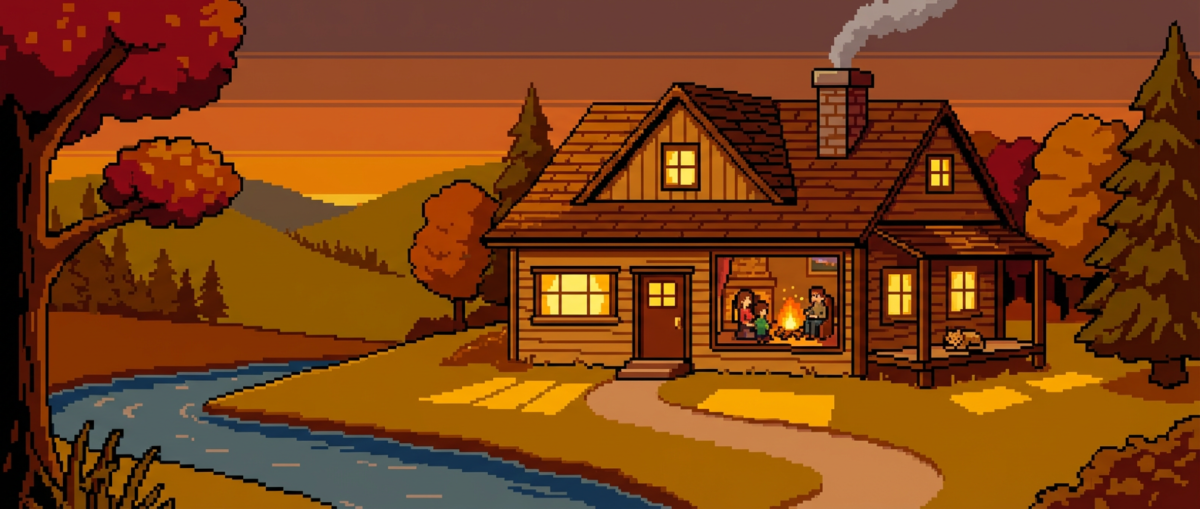
I Used to Think Home Was Where You Grew Up
For the longest time, I had this ironclad theory about home. It was simple, clean, and completely wrong. Home was where your childhood happened, where your parents still lived, where you could navigate with your eyes closed. Done. Case closed. Thank you for coming to my TED talk.
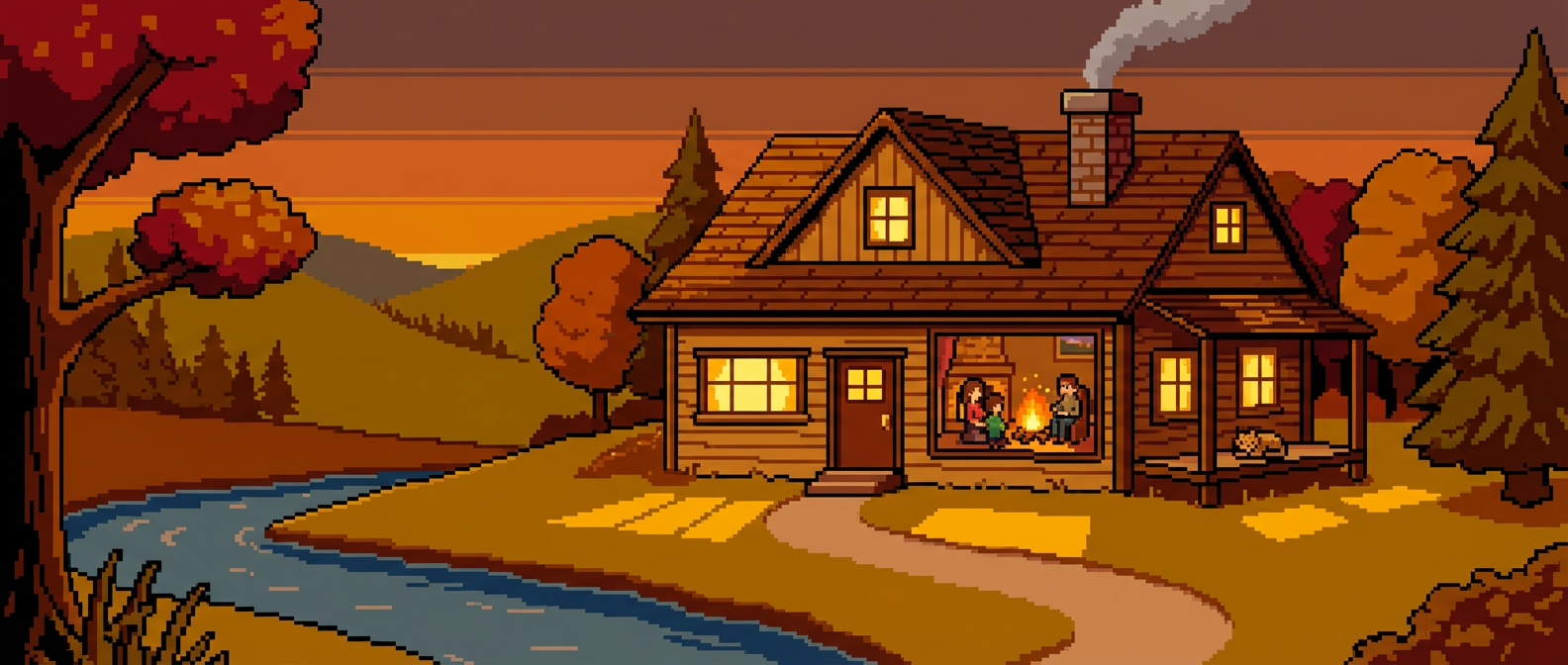
Then I spent three days in a tiny bookshop café in Prague, and my entire worldview crumbled over a mediocre cappuccino. I wasn’t even supposed to be there. My original plan was the big tourist stops, but rain had other ideas. So there I sat, watching the owner argue with her ancient espresso machine in rapid Czech, and something in my chest just settled. Like furniture finding its proper place.
The thing is, I’d never even been to Prague before. I didn’t speak the language. I knew exactly three people in the entire country, and I’d met them all at the hostel that morning. By my own definition, this place should have felt as foreign as Mars. Instead, it felt like coming home from a very long trip.
The Grocery Store That Changed Everything
Six months later, back in my actual hometown, I found myself standing in the cereal aisle of the same grocery store I’d shopped at for twenty years. The fluorescent lights hummed their familiar tune. The floor had that specific pattern of scuffs I could probably trace from memory. This should have been home base, right?
Instead, I felt like an actor who’d forgotten their lines. Everything looked right but felt slightly off, like trying to wear clothes that no longer fit quite the same way. The teenage cashier called me “sir” with the kind of politeness reserved for strangers. The produce guy, who used to ask about my mom, looked right through me.
That’s when it hit me. I’d been confusing familiarity with belonging. They’re not the same thing at all. Familiarity is knowing where they keep the good avocados. Belonging is when the place somehow knows you back.
The Science of Belonging (Or What I Learned From a Barista)
I started paying attention after that. Really paying attention. Turns out, the places that feel like home have this weird pattern. They’re not necessarily the most beautiful or the most comfortable. They’re the ones where small interactions happen naturally.
There’s this coffee shop three blocks from my current apartment. The barista remembers that I always ask for oat milk but actually prefer regular milk in my cortado. She never mentions this contradiction, just makes it right. When I travel for work and come back, she’ll say something like “the usual?” with this tiny smirk that says she knows I’ve been drinking inferior coffee for days.
That’s it. That’s the whole magic trick. Someone noticed a small thing about me and decided it was worth remembering. Not because they had to, but because that’s what people do in places where you belong. They see you as more than just another transaction in their day.
The Library That Taught Me About Timing
Here’s where I really had to eat crow on my original theory. I’ve been going to the same library branch for four years now. Same corner table, same view of the parking lot, same guy who always falls asleep reading newspapers by 2 PM. Classic case for feeling at home, right?
Except for the first three years, it was just a library. Quiet, useful, perfectly fine. Then something shifted. Maybe it was when the librarian started saving the new mystery novels for me. Maybe it was when I began nodding to the newspaper sleeper like we were old friends. Maybe it was just time.
Because that’s the other thing I got wrong. Home isn’t just about the right place. It’s about the right time in your life to recognize it. I could have sat in that Prague café five years earlier and felt nothing but caffeine jitters. Some places have to wait for us to be ready to receive them.
The timing thing explains why childhood homes can start feeling foreign. You change, but the place stays frozen. Meanwhile, new places catch you at exactly the right moment of openness, when you’re ready to be known by somewhere else.
What I Know Now (And What I’m Still Learning)
So here’s my updated theory, version 2.0. Home isn’t about geography or history. It’s about recognition. The place recognizes something in you, and you recognize something in it. Sometimes this happens immediately, sometimes it takes years, and sometimes it never happens at all despite your best efforts.
I still get it wrong plenty. I’ve convinced myself I could belong in places that were never going to want me back. I’ve walked away from places too quickly, before giving them a proper chance to know me. I’ve confused Instagram-worthy with soul-worthy more times than I’d like to admit.
But I’m getting better at reading the signs. The way a place handles your mistakes. Whether it has room for your particular brand of weirdness. How it feels on a Tuesday afternoon when nothing special is happening. These things matter more than the perfect lighting or the trendy neighborhood designation.
The biggest surprise? I can have more than one home now. That Prague bookshop still counts, even though I’ve only been back twice. My childhood bedroom counts too, but differently than it used to. The coffee shop, the library, the park bench where I figured out what I wanted to do with my life, they all count.
Turns out home was never meant to be singular anyway. We’re allowed to belong in multiple places, to different degrees, for different reasons. The heart is bigger than I gave it credit for.
I’m curious about your places. The ones that surprised you by feeling like home when they shouldn’t have, or the ones that stopped feeling like home when you expected them to last forever. What makes a place claim you? I’m still collecting data on this theory, and I suspect I always will be.
