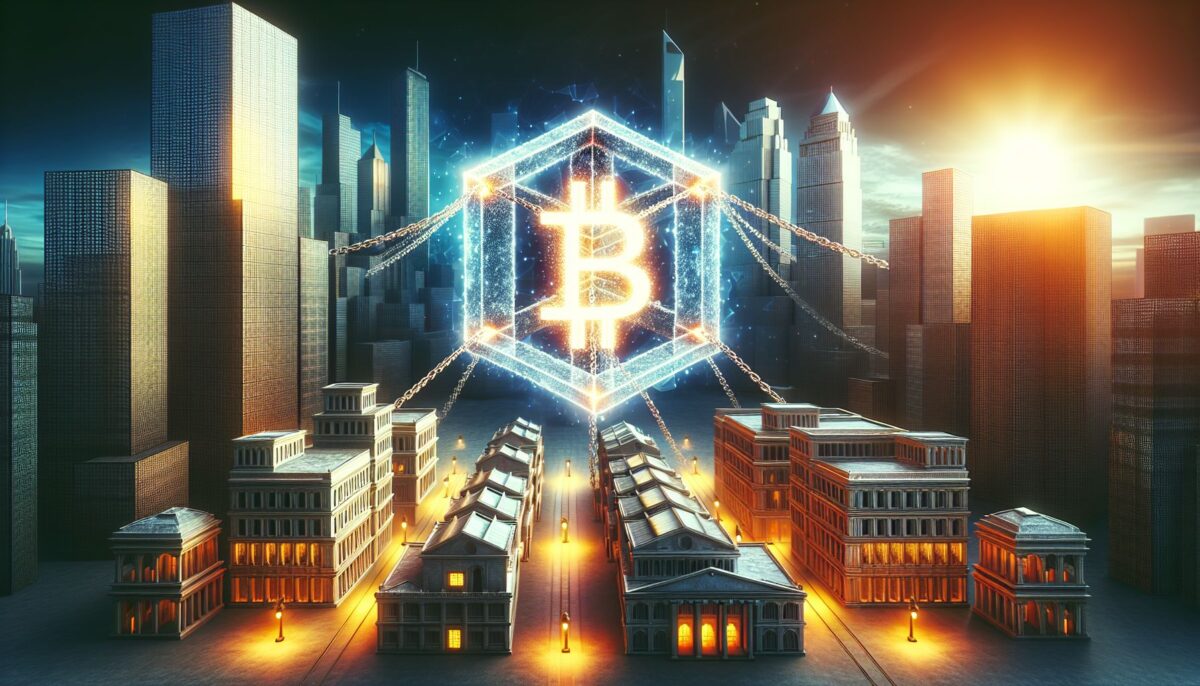
Hey there, friends. So, I’ve been on a bit of a technology bender lately, going down the endless rabbit hole of blockchain technology. If you just groaned and imagined cryptocurrencies and NFTs, hang tight—blockchain is way more than digital coins and monkey pictures. It’s like what the internet was to communication: a revolution that’s going to touch every part of our lives. You might even call it the new architect of our Age of Transparency.
Enter the Blockchain Universe
Alright, so what in the digits and hashes is blockchain anyway? Simply put, it’s a glorified digital ledger, but don’t let the high school accounting nightmares deter you. Imagine a world where everything you do online is timestamped, immutable, and absolutely transparent. Blockchain is the tech that can support that world. Yeah, smart ledgers can be sexy too.
Why Blockchain and Why Now?
Let me paint a picture: remember the day you realized Netflix and chill was way better when you didn’t have to deal with commercials? Blockchain similarly removes irritating middlemen, like banks and lawyers, from certain transactions. It’s like having your cake and eating it too—if the cake could validate your identity, keep your secrets safe, and let you travel across borders without flashing your passport every five minutes.
A common gripe is that tech innovations promise a ton and deliver sparingly, but blockchain’s here, in action, from streamlining logistics to democratizing finance. It feels like a utopian spin on what our digital future could be—one where trust isn’t a commodity, but a given.
Blockchain’s Greatest Hits
Decentralized Finance (DeFi): The Money of the Future
Let’s talk dough. Decentralized Finance is like a Wall Street Wolf, but without the wolfish greed. No bone-crunching fees or just-fell-off-the-chair interest rates; it’s a peer-to-peer financial system run on blockchain that makes Uncle Scrooge’s vault look fairly pedestrian.
Imagine securing a loan without a bank or trading assets across borders in your slippers (not that I’ve ever done that, I don’t even have slippers). Smart contracts handle this—basically automated “if-then” statements that execute automatically. DeFi platforms make financial transactions more transparent and accessible. The opportunity for microloans and investment pooling without traditional bureaucracy is nothing short of mind-blowing.
Supply Chain Revolution
Blockchain doesn’t stop at finance; it works incredibly well with logistics and supply chains too. Think about knowing exactly where your coffee beans were harvested, who harvested them, and if they were treated fairly during production. Using blockchain, every step from farm to your morning cup is documented and shared in an unalterable record.
Major players like Walmart (and it doesn’t get much more major) are using blockchain for supply chain transparency. If companies can track each lettuce head’s journey, incidents like food contamination become easier to manage—no more wondering if your Caesar salad is secretly plotting your demise.
Governance and Voting: Finally Trustworthy?
Now, let’s roll up our sleeves and get political. Sure, we all know—or avoid contentious debates about—the issues with voting systems: tampering, inefficiency, pizza parties. Blockchain offers a trust layer that could actually guarantee a one-person-one-vote system.
Immutable records and distributed networks mean blockchain-based voting could eliminate traditional weaknesses like voter fraud or ballot manipulation. Also, can we talk about the sheer convenience? Voting from your phone between memes and TikTok videos feels like the only way for future elections. I mean, accessibility doesn’t get much more on-the-go than this.
Creative Arts: Giving Life (and Royalties) to Creators
Finally, let’s not forget our struggling artists. In the blockchain space, artists can take advantage of decentralized marketplaces to sell their work directly to collectors without a middleman skimming off the top. Blockchain ensures authenticity, allows artists to retain ownership, and best of all, earn royalties on any secondary sales.
No more artists starving until someone sees their genius; blockchain’s connectivity means anyone can stumble upon their next favorite masterpiece, with the provenance to back it up.
Challenges and Crystal-Ball Gazing
Don’t get me wrong, blockchain isn’t as flawless as one of those crime show plots we all binge. It has its challenges. Scalability and energy consumption—looking at you, Bitcoin—are a work in progress. Yet, with queen bees like Ethereum moving to less energy-intensive consensus mechanisms, optimism’s warranted.
On the regulatory front, governments are, predictably, throwing wrenches into the utopian works. Still, as lawmakers globally come to terms with blockchain’s inevitability, I think we’ll see a regulatory landscape that’s as open as a beautifully scripted piece of code.
The Road Ahead
Just like in your scripted dystopian novels, blockchain’s future is exciting but uncertain. Will all industries adopt these transparent practices? Or will slow regulatory processes clip this young technology’s wings? My guess is that just like any technological breakthrough, it’ll take a healthy cocktail of innovation, regulation, and humor (we tech-insiders are funny people, trust me) to perfect the recipe.
So here you go, a sneak peek into blockchain’s ever-expanding universe. In a future that promises transparency, autonomy, and efficiency, we might be on the brink of a tech-driven utopia. Roll your eyes all you want, but here’s the thing: you can’t stop progress any more than you can stop your mom from tagging you in awkward childhood photos.
That’s it for today, folks. Stay ahead of the curve and watch this space—because who knows what else might shake the world tomorrow?
